

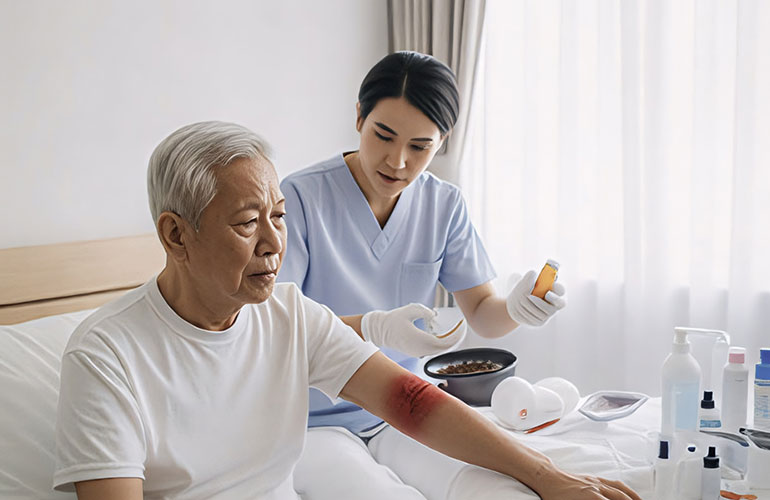
1. Personalized and Responsive Care
The most immediate sign that a maid is no longer sufficient is when a senior’s health requires clinical reasoning rather than just manual labor. Domestic helpers are generally not trained in pharmacology or wound management. If your loved one in KL or JB requires insulin injections, complex medication titration for heart conditions, or post-surgery wound care, relying on a maid creates a high-risk environment.
At EHA Eldercare, our nursing staff understands the "Why" behind medical protocols. For example, a maid may simply see a missed meal, but a professional nurse recognizes it as a potential sign of a systemic infection or a side effect of medication. Professional care ensures that "silent" symptoms are caught early, preventing unnecessary emergency room visits and ensuring that chronic conditions like diabetes or hypertension are managed with clinical precision.
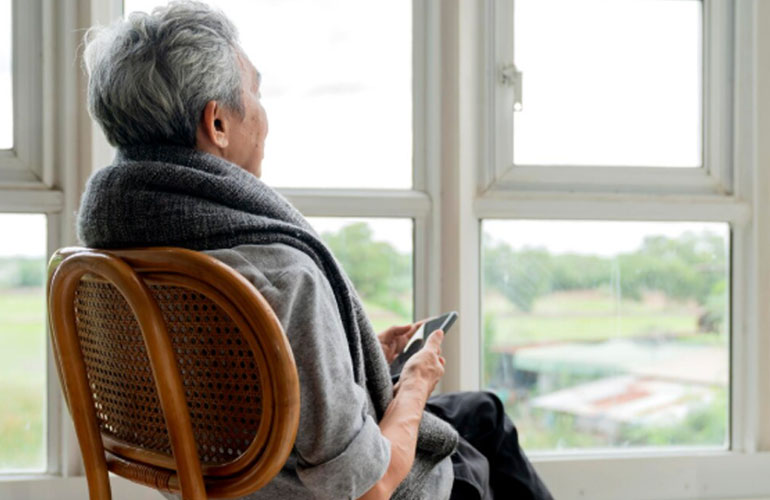
2. Signs of Memory Loss or Dementia
Dementia is a progressive neurological condition that requires a specialized environment. A common struggle for families in urban areas is managing a senior who wanders or experiences "Sundowning"—increased confusion and agitation in the evening. A domestic helper often lacks the psychological training to de-escalate these situations, which can lead to stress for both the helper and the senior.
Professional dementia care at EHA Eldercare centers provides a "secure-loop" environment. We use structured cognitive stimulation and behavioral redirection techniques that a domestic helper simply cannot replicate at home. In a professional setting, the environment is modified to reduce triggers, ensuring that seniors with memory loss remain safe, calm, and socially engaged in a way that preserves their cognitive function for as long as possible.
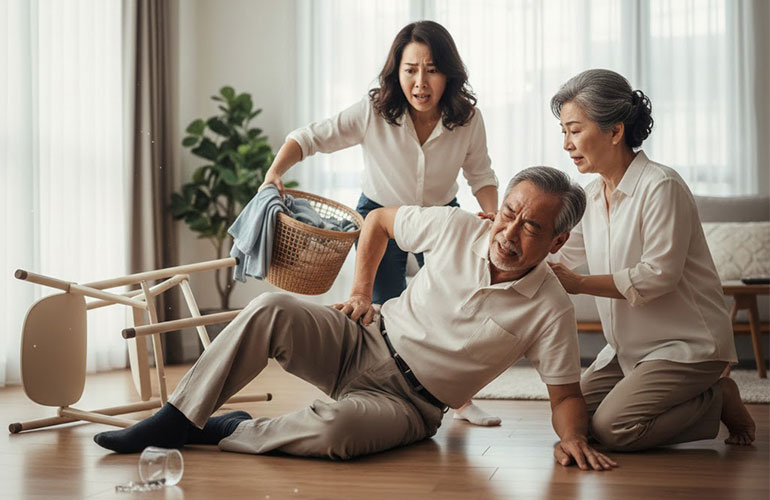
3. Signs of Memory Loss or Dementia
Falls are the leading cause of injury for seniors in Malaysia, often due to the architectural hazards of traditional terrace houses—such as high bathroom curbs and slippery tiles. While a maid can try to watch a senior, they cannot be present every second, nor do they usually have the "safe handling" training required to assist someone with mobility issues. When a senior moves to a professional facility like our centers in Johor Bahru or Kuala Lumpur, the entire infrastructure is built for safety. This includes hospital-grade non-slip flooring, strategically placed grab bars, and specialized lifting techniques that prevent skin tears and fractures. We focus on "Risk-Based Mobility," where we assess a resident's gait and balance daily to prevent falls before they happen, rather than just reacting after a senior has already been injured.

4. Social Isolation and Depression
A senior living at home with only a maid often suffers from "Social Atrophy." Even if the maid is kind, the lack of peer-level conversation and intellectual stimulation can lead to rapid cognitive decline and depression. This is especially common in gated communities in JB or high-rises in KL, where seniors may feel "trapped" within their four walls. Professional elderly care in JB and KL emphasizes the "Community Model." At EHA Eldercare, residents participate in group morning exercises, communal dining, and social activities. This peer-to-peer interaction is biologically essential; it triggers positive neurotransmitters that improve mood and cognitive alertness. A maid provides a service, but a professional community provides a life—one filled with the companionship and purpose that every senior deserves.
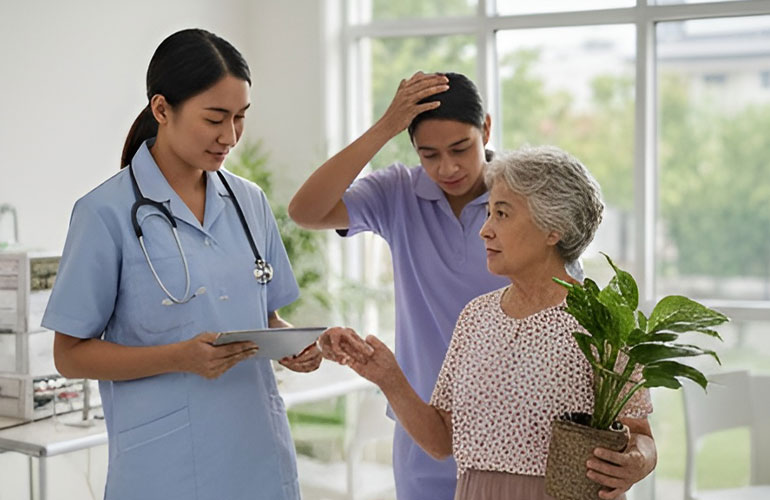
5. Caregiver and Maid Burnout
The final sign is the hidden exhaustion of the household. When a domestic helper is forced to act as a 24-hour nurse, cook, and cleaner, the quality of care inevitably drops. Resentment can build, and the risk of elder neglect or "caregiver fatigue" increases. If you find your maid is constantly exhausted or your family is in a state of perpetual "emergency mode," the current system is failing. By choosing EHA Eldercare, you are not just helping your parent; you are stabilizing your entire family. Our professional teams work in shifts, meaning your loved one is always cared for by someone who is alert, rested, and trained. This allows you to return to being a son or daughter, focusing on quality time with your parent while we handle the complex, high-stress demands of daily clinical care.